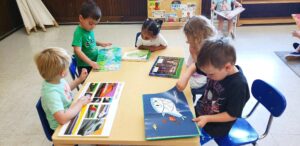
Early childhood is a stage where small experiences create long-term learning habits. Among all learning tools available today, educational picture books remain one of the most powerful and natural ways to support a child’s development. These books do far more than entertain; they introduce language, build emotional understanding, and strengthen early cognitive skills.
For many families, educational books for toddlers are the first step into structured learning. Bright visuals, simple storytelling, and relatable characters help children connect words with meaning. This connection becomes the foundation of future reading, comprehension, and communication skills.
When children regularly interact with educational picture books, they begin to understand that stories have structure, words carry meaning, and images support understanding.
Why Educational Picture Books Matter in Early Childhood
Children don’t learn well under pressure. They learn better when things feel easy and familiar, and picture books do exactly that. Instead of formal lessons, toddlers explore through images and simple stories. This keeps them curious without overwhelming them.
Educational books for toddlers usually show everyday things, animals, objects, and family life, which makes it easier for children to relate new words to what they already know.
Another important part is bonding. When a parent reads with a child, it becomes a calm shared moment. Children start linking books with comfort, not stress. So learning happens naturally, without them even realizing it.
Building Vocabulary and Comprehension Skills Naturally
Vocabulary grows quickly at this age, and pictures make it much easier. When a child sees a picture and hears the word together, the meaning sticks. No long explanation is needed. For example, seeing a sun with the word “sun” helps them connect the object, sound, and meaning in one go. Over time, this builds strong word memory.
Comprehension also starts slowly here. Kids begin to understand what’s happening in a story instead of just looking at pages. They start guessing, noticing feelings, and linking events. That mix of words and understanding is what makes educational books for toddlers so useful in early learning.
Imagination and Visual Learning in Action
Kids already have strong imaginations, and picture books guide them. Visual learning for preschoolers works because images are easier to process than explanations. Shapes, colours, and drawings help children form mental pictures that stay with them.
For example, a farm page doesn’t just stay a picture. A child may imagine animals, sounds, and movement around them. That kind of thinking builds creativity and memory at the same time.
Most picture books also feel like play. Children don’t feel like they are “studying.” They are just exploring stories, which keeps their interest alive. And when they stay interested, they learn better without effort.
Strengthening Early Reading and Literacy Development
Before reading properly, children first learn to recognize things. Picture books help with that stage. With repeated exposure, they start noticing letters, words, and patterns. They don’t need to memorize anything; it just happens naturally.
Literacy development starts when they realize words have meaning, and reading follows a flow. Picture books gently guide them through this process.
Many educational books for toddlers also repeat words and phrases. That repetition helps children remember better and slowly build reading confidence. Simple things like pointing at images or repeating words also add to early learning. It prepares them for school without pressure.
Practical Ways Parents Can Use Picture Books Daily
Parents don’t need anything complicated. Small daily habits work best.
Here are some easy ways:
- Read together for 10–15 minutes
- Ask simple questions like “What is this?”
- Talk about real-life things from the story
- Repeat favorite books often
- Let kids draw or talk about what they saw
These small steps make reading feel normal, not like a task. Parents can also use toddler educational books that focus on basics like colours, shapes, and objects. These help children learn more than one concept at a time. The real key is consistency; even a few minutes daily helps.
Conclusion
Educational picture books are not just early reading material. They are one of the simplest ways to help children learn naturally. They support vocabulary, understanding, imagination, and early reading without pressure. When used regularly, they become part of a child’s daily life, not just a learning activity.
For parents and educators, choosing the right educational books for toddlers can make a real difference. Books like Learn Alphabets and Colours with Me by Nishita Patel show how learning can stay simple, visual, and enjoyable from the very beginning. Start your child’s learning journey today with engaging educational picture books that make reading fun, interactive, and meaningful from the very first page.